
Albdruck, 2025/2026
Sediment Rising
Festival Off Arles, Gallery Betty
July 7th – 12th 2026
„Tear your face off / For the camera“ (Jonathan Bree, Tear Your Face Off)
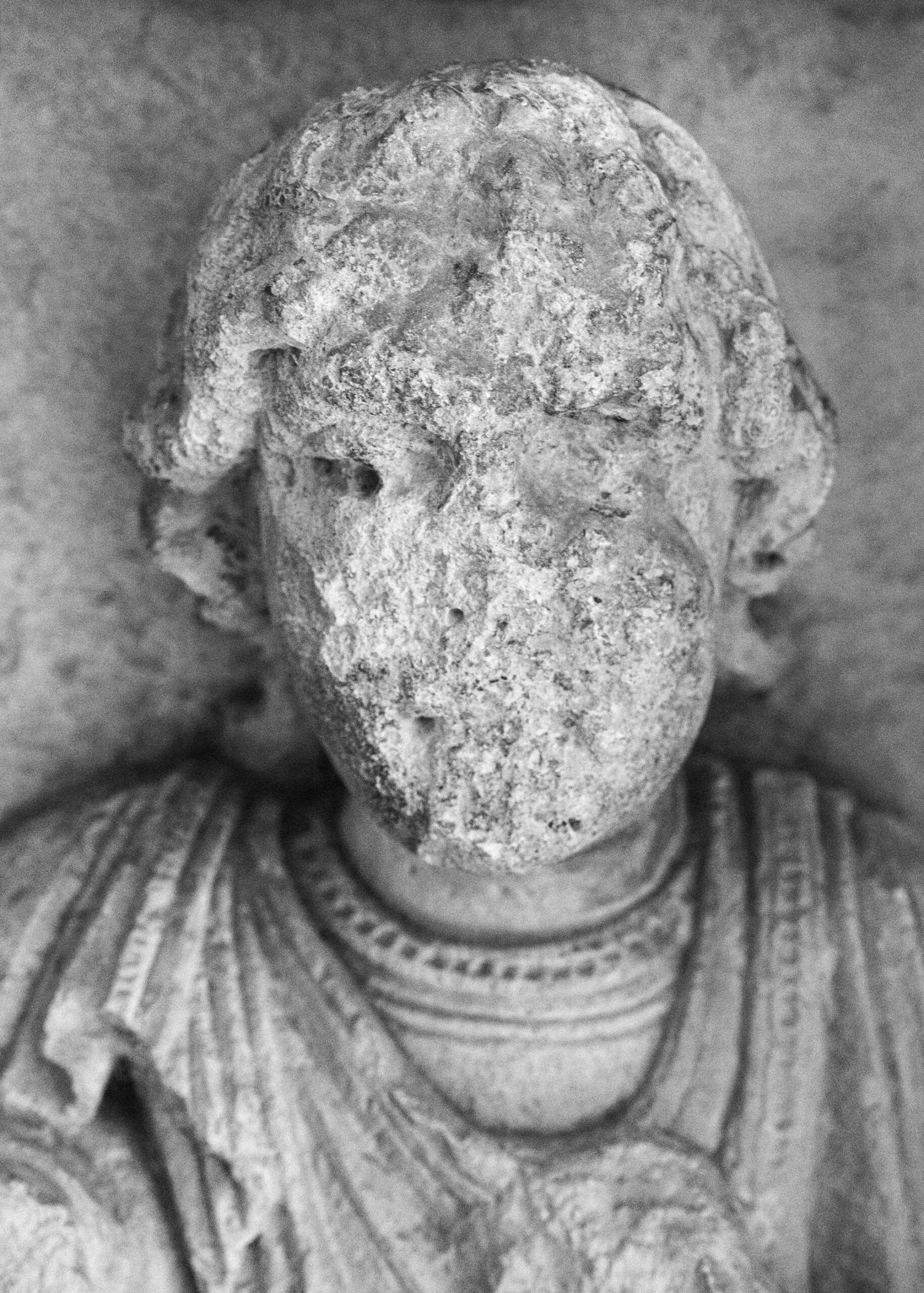
The face, it is said, is a powerful organisation. If its organising aspect breaks down, the question of identity changes. Facial recognition software turns this into a question of power. Perfect individuality and the escape from recognisability stand in opposition to one another as distorted images. One person’s wormhole is another’s nightmare (Albdruck).
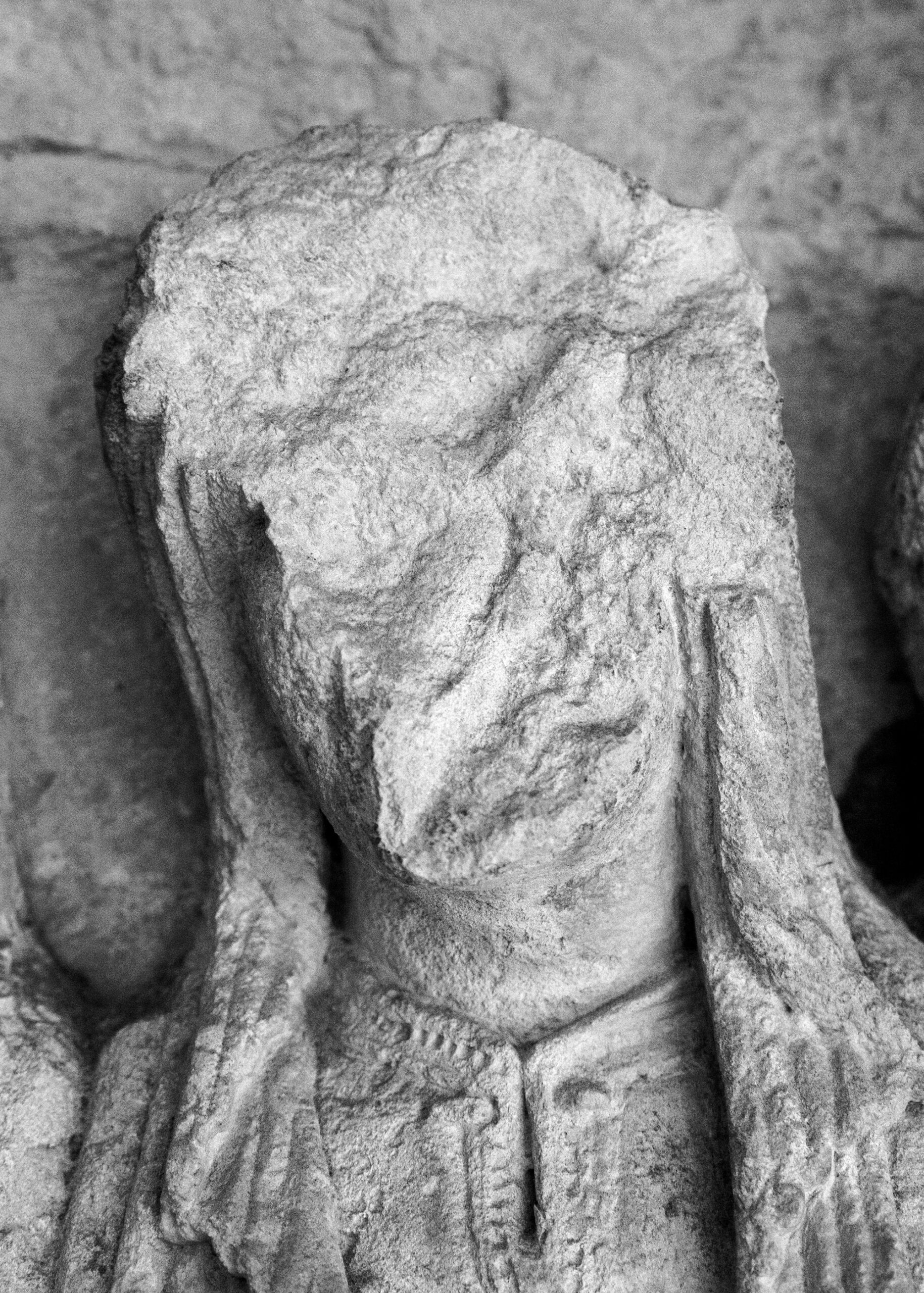
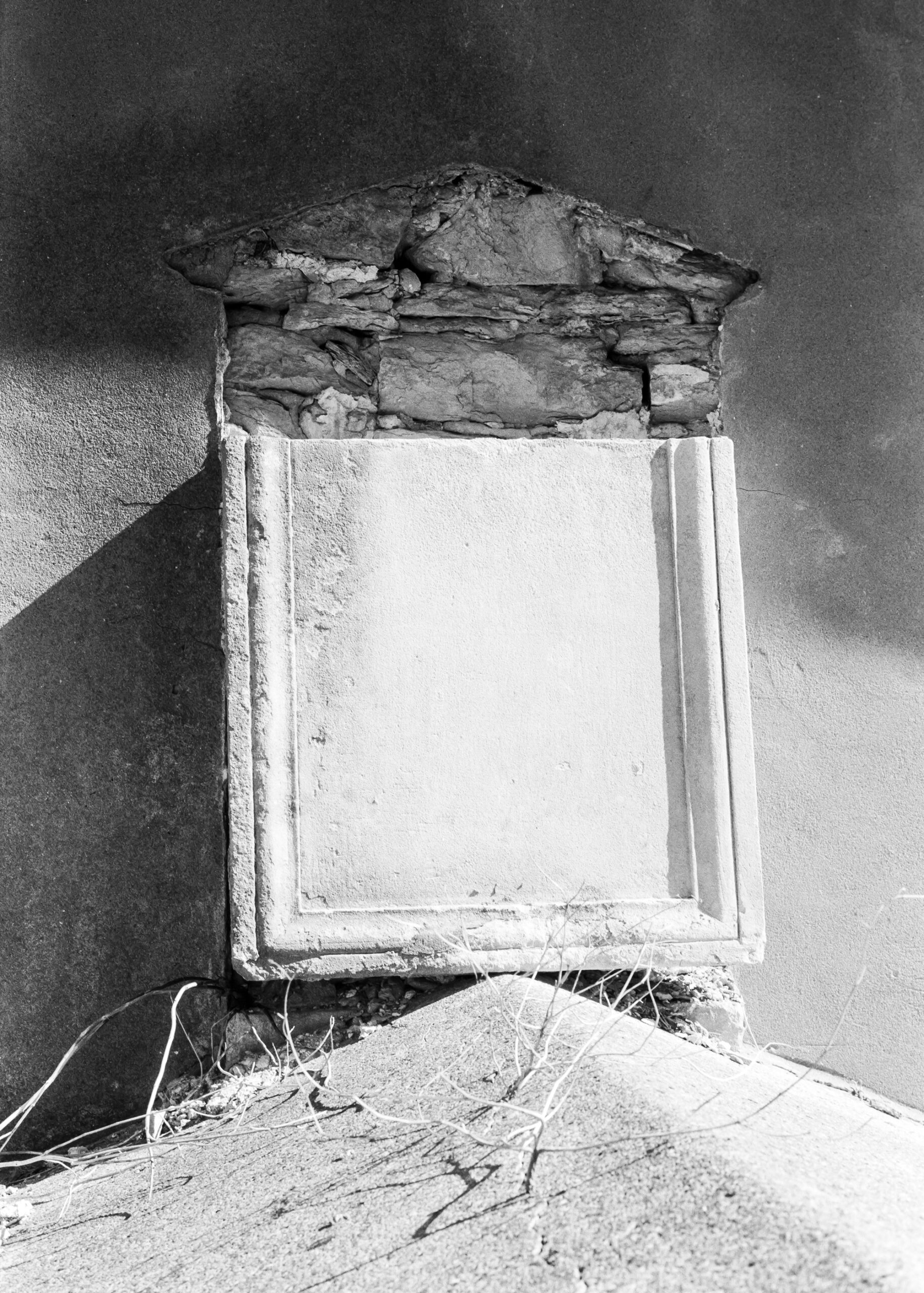
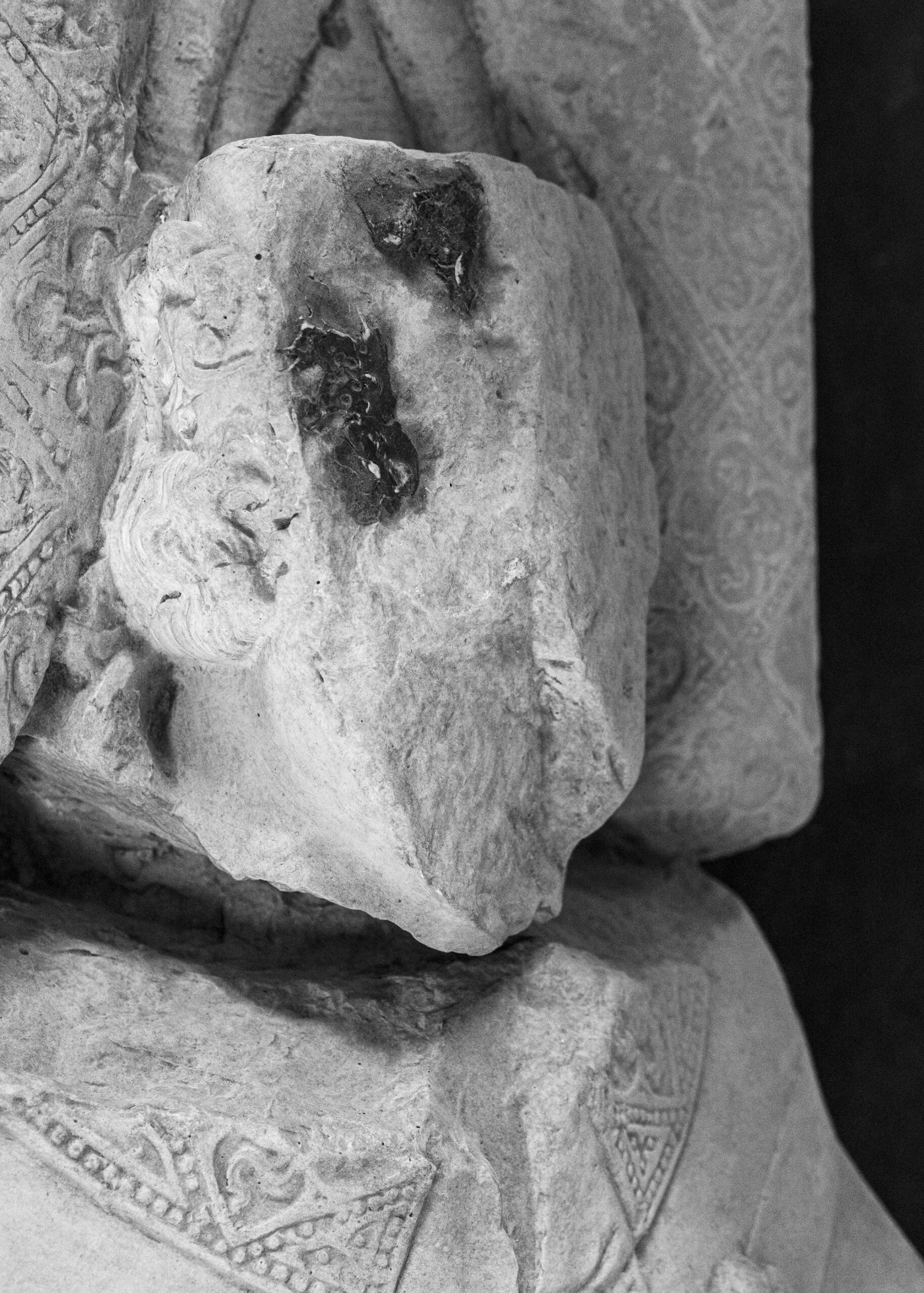
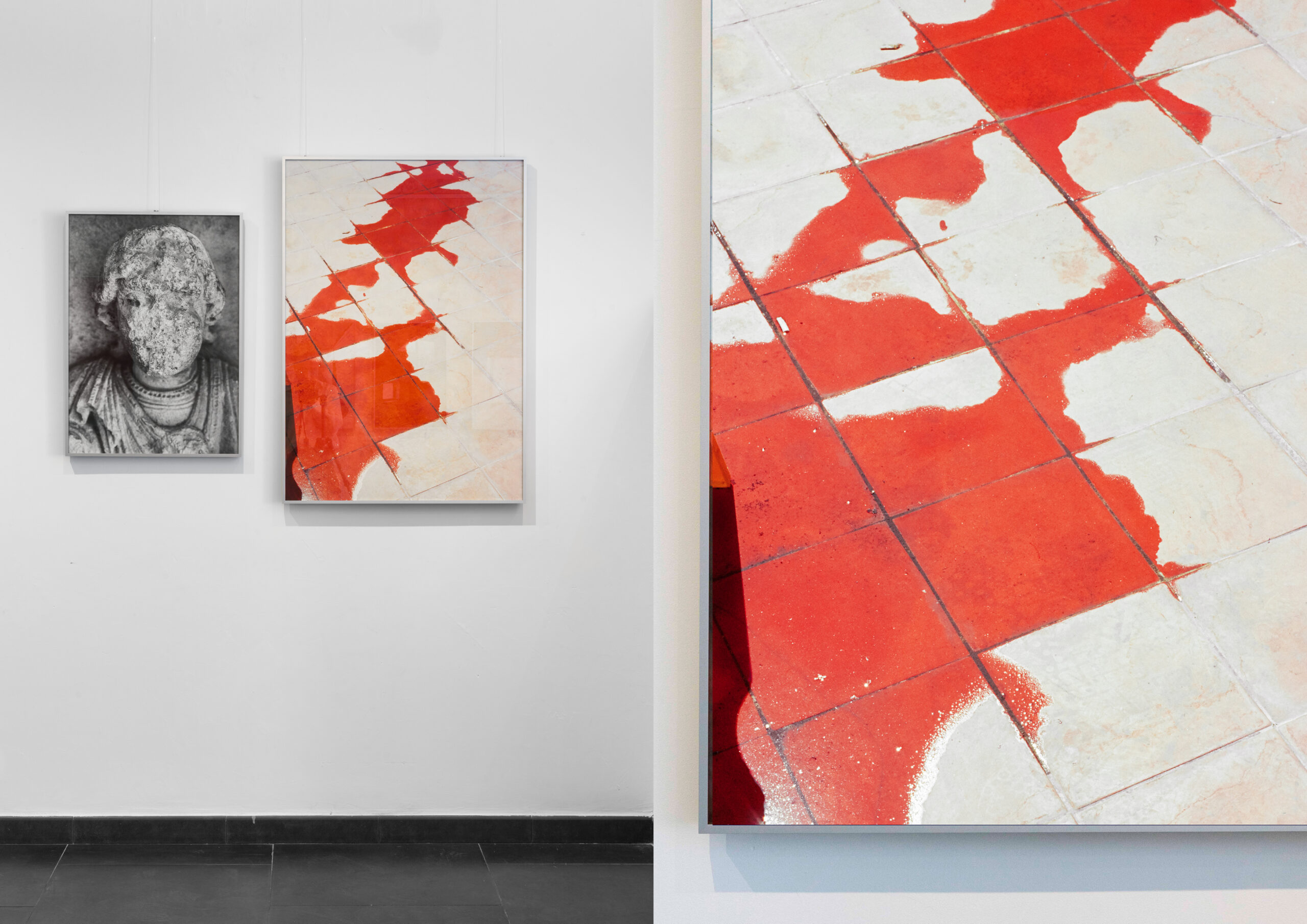
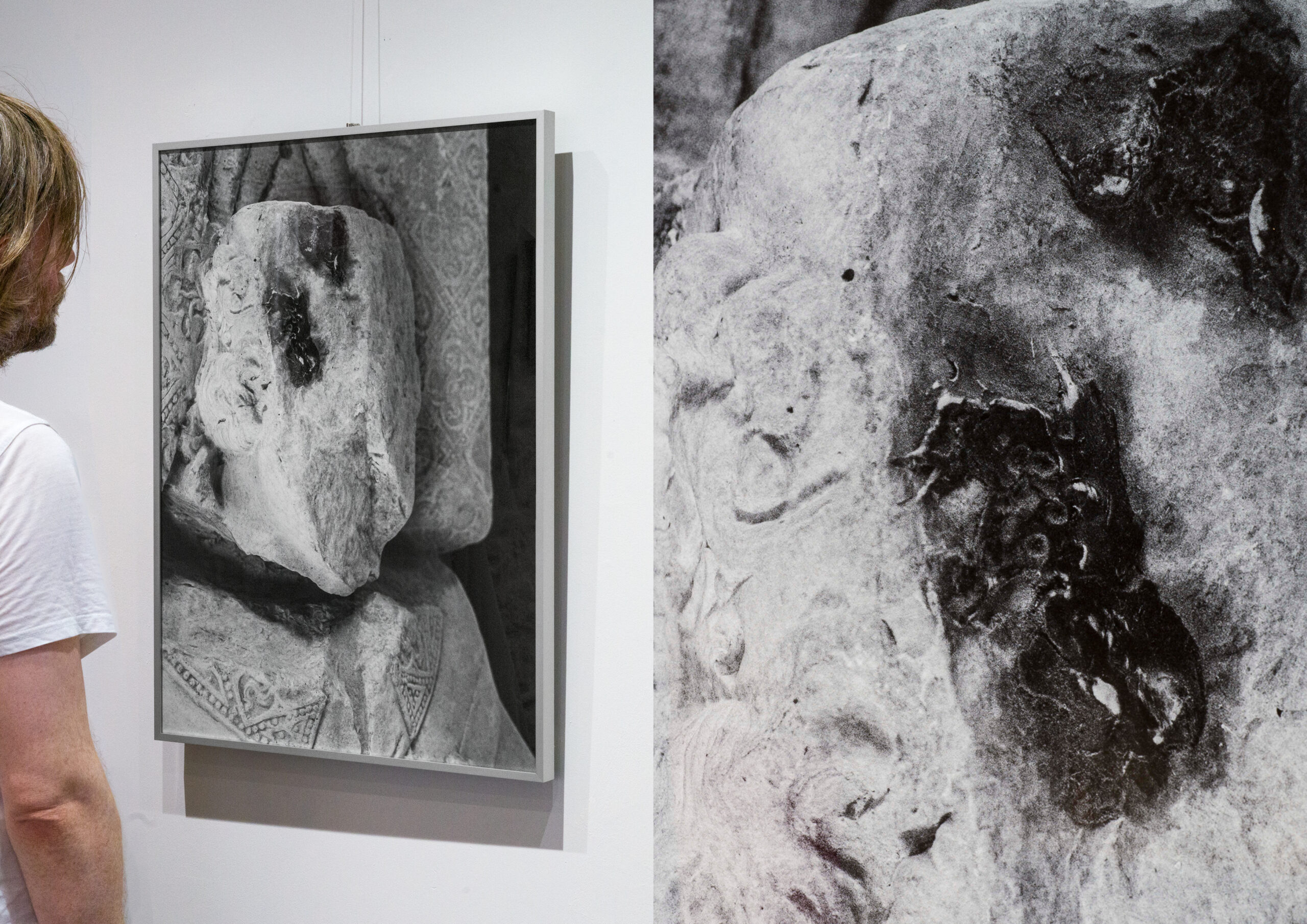
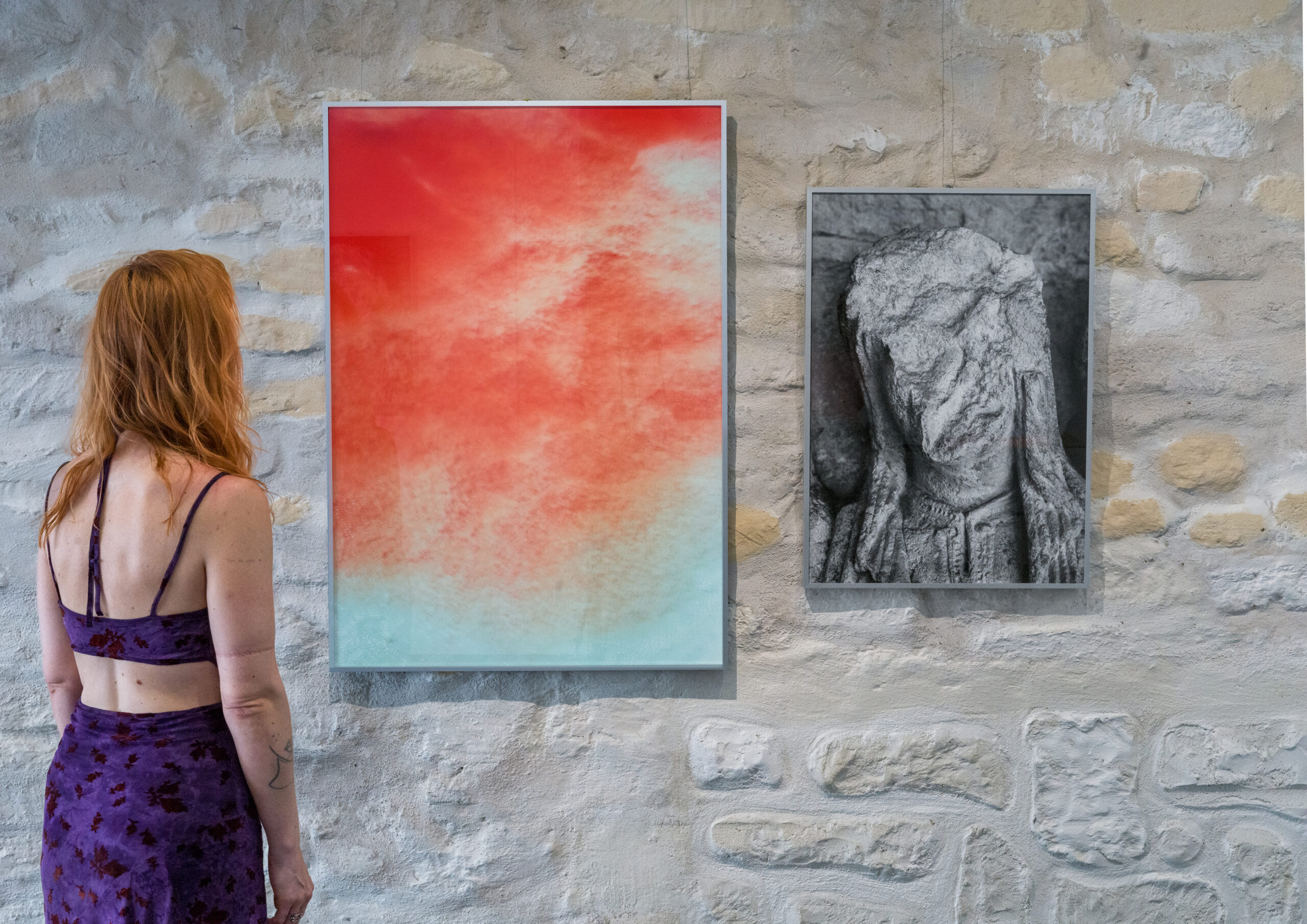
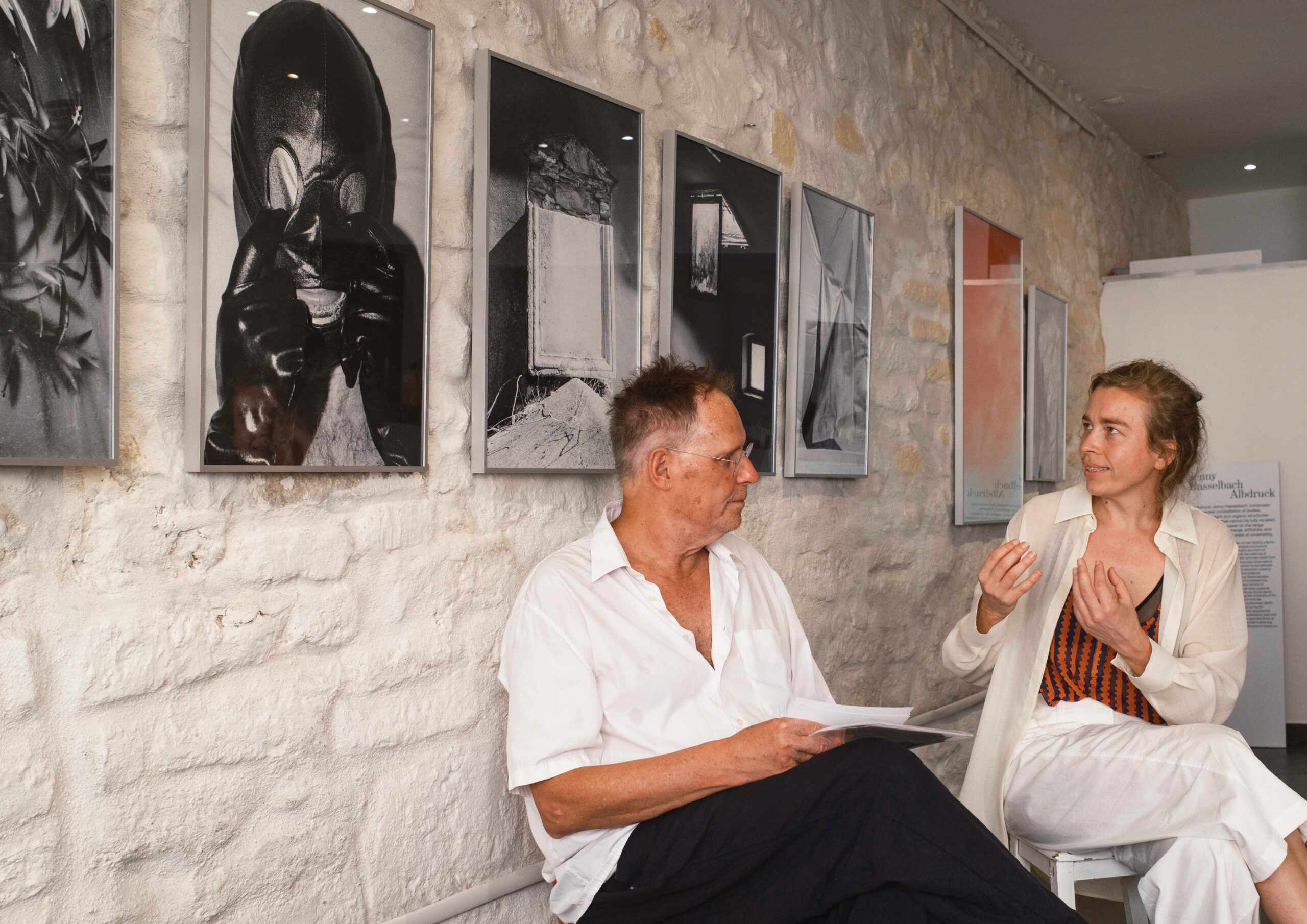
The photographic works in Jenny Hasselbach’s series Albdruck can be viewed against this backdrop. They show the faces of stone figures that are only faintly visible or have disappeared altogether. Having been violently chipped away from sacred and secular buildings in Arles and Avignon over the course of history, the remaining stone substance of the figures is causing their residual image-defining structure to disintegrate as well. The fact that the face—the very embodiment of individuality – is absent lends the photographs a particular intensity—absence becomes the image.
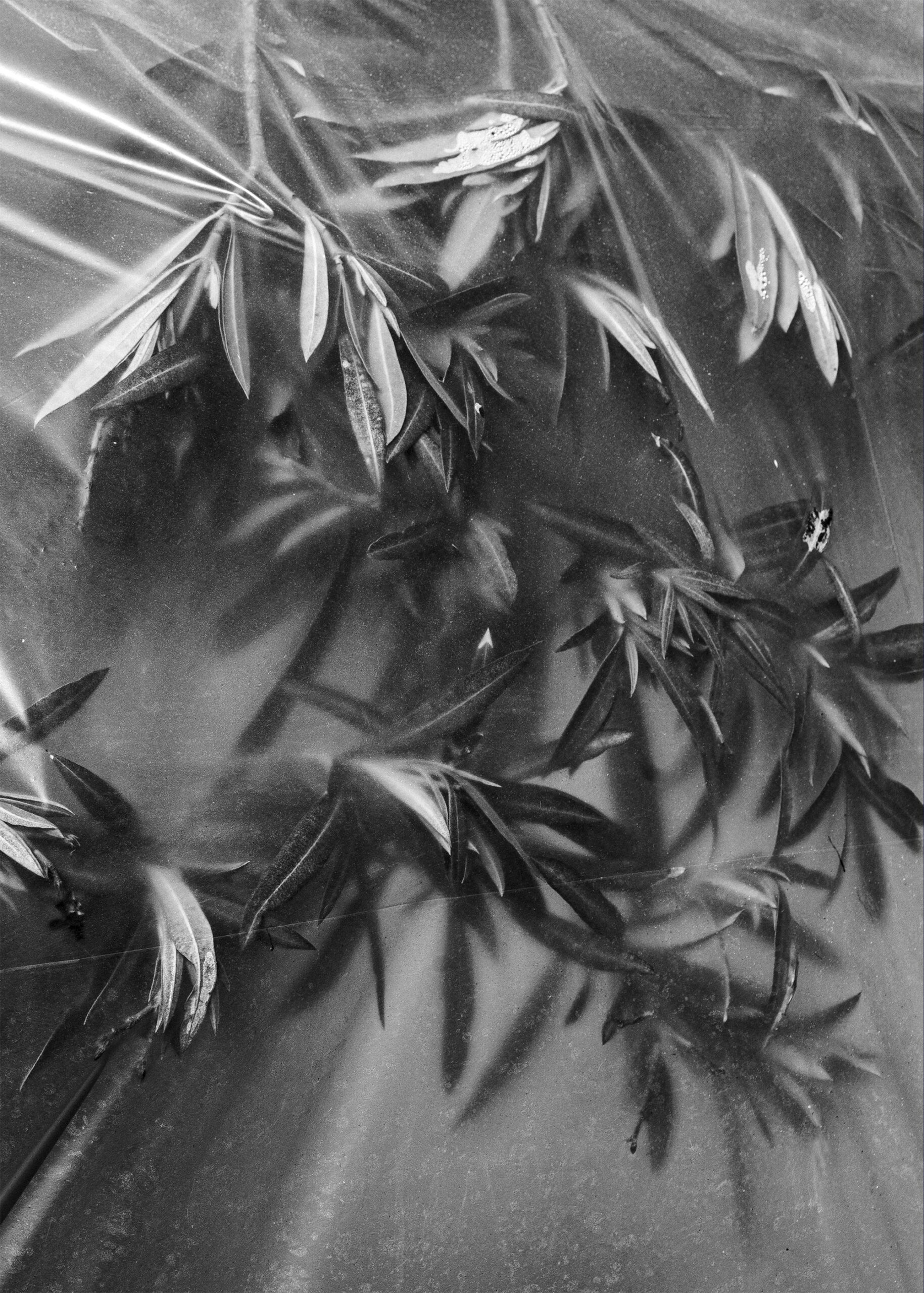
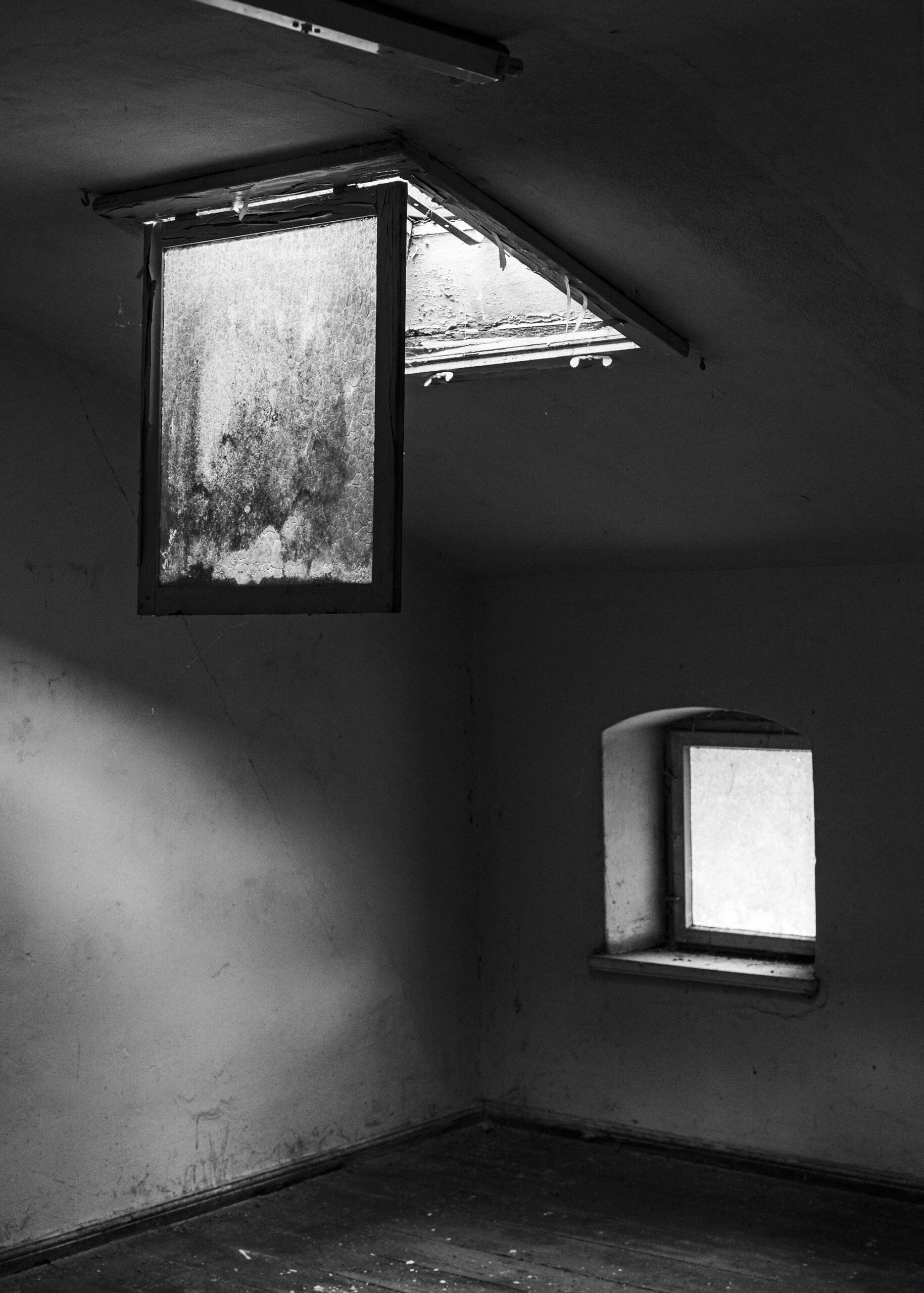
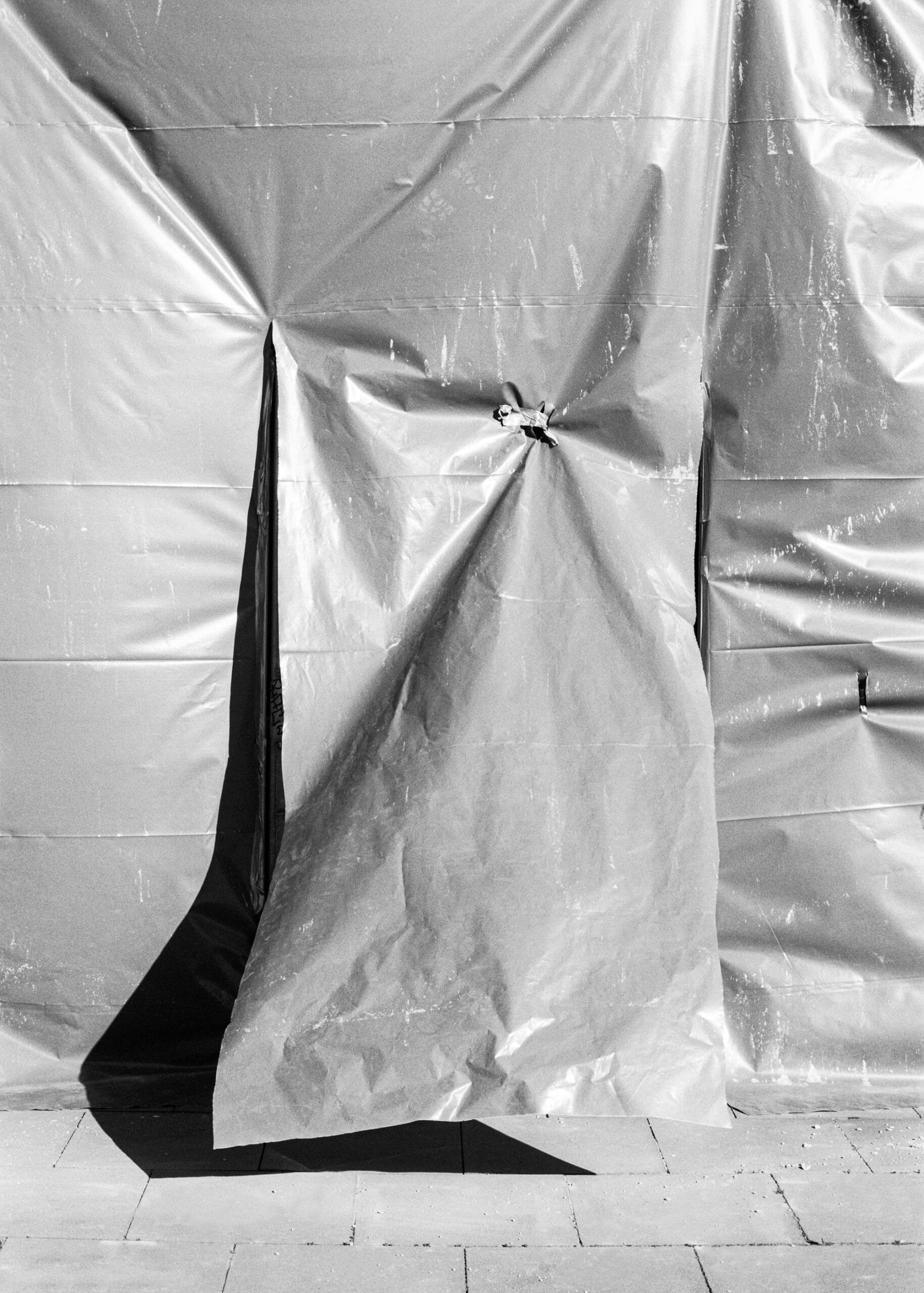
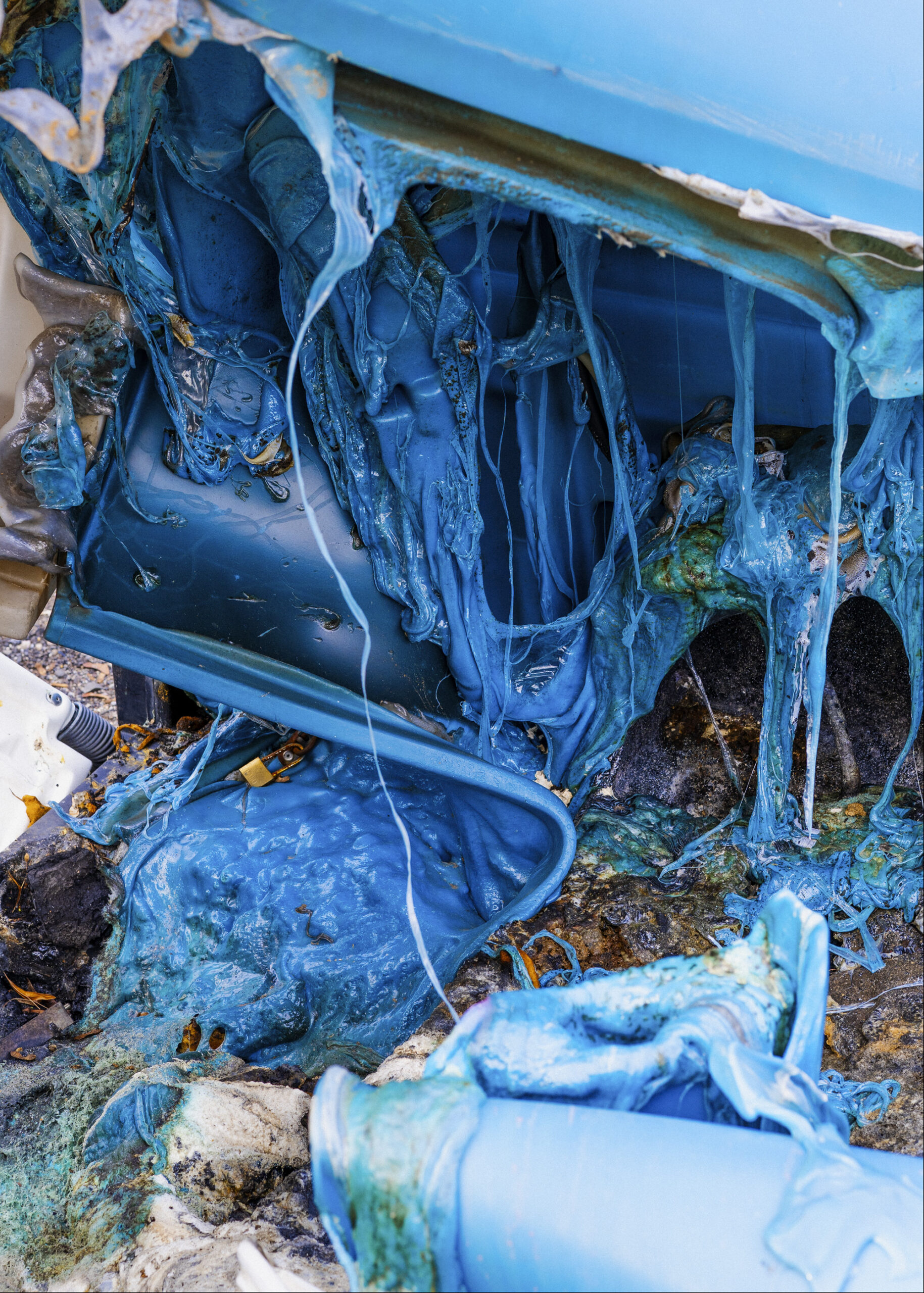
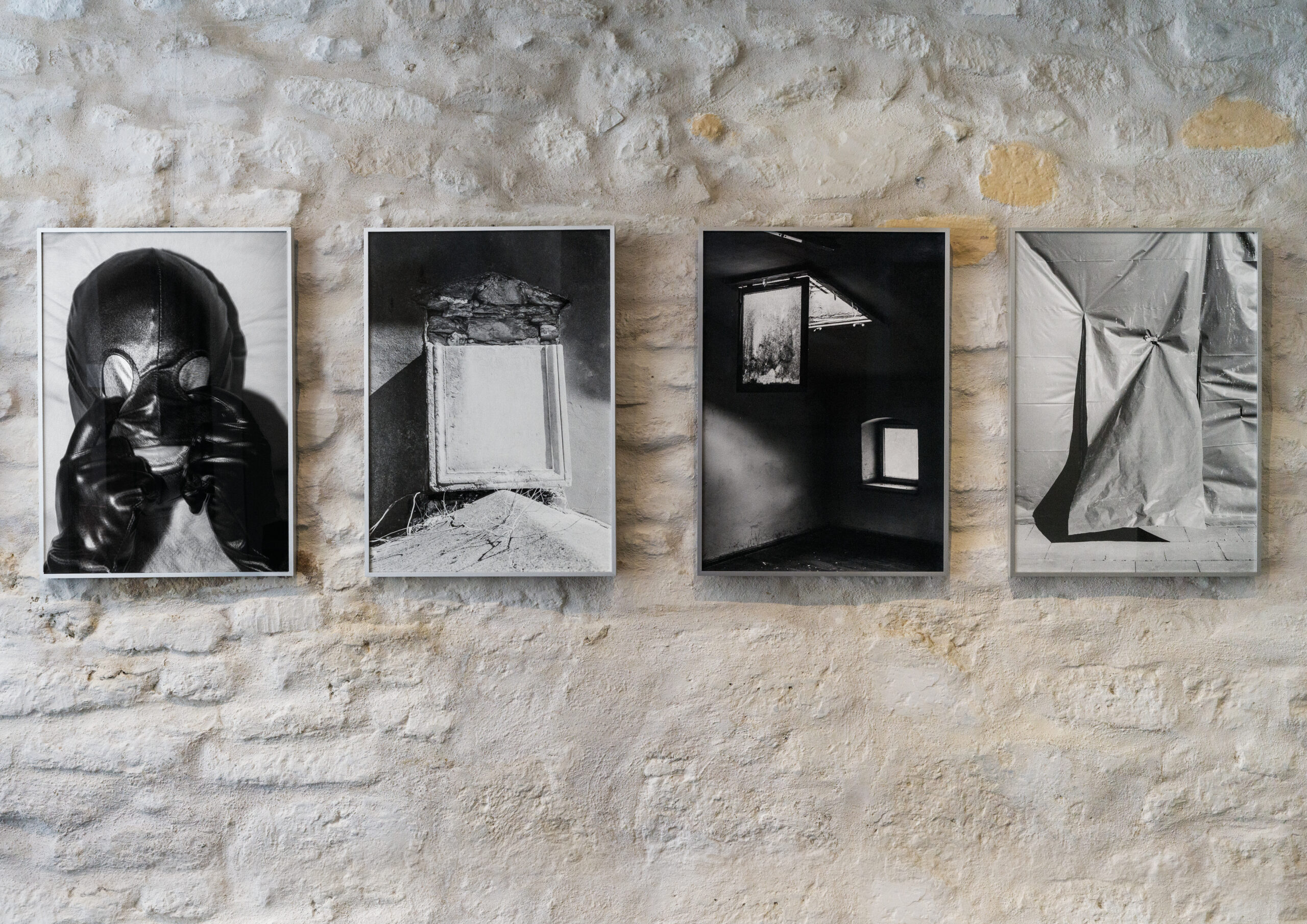
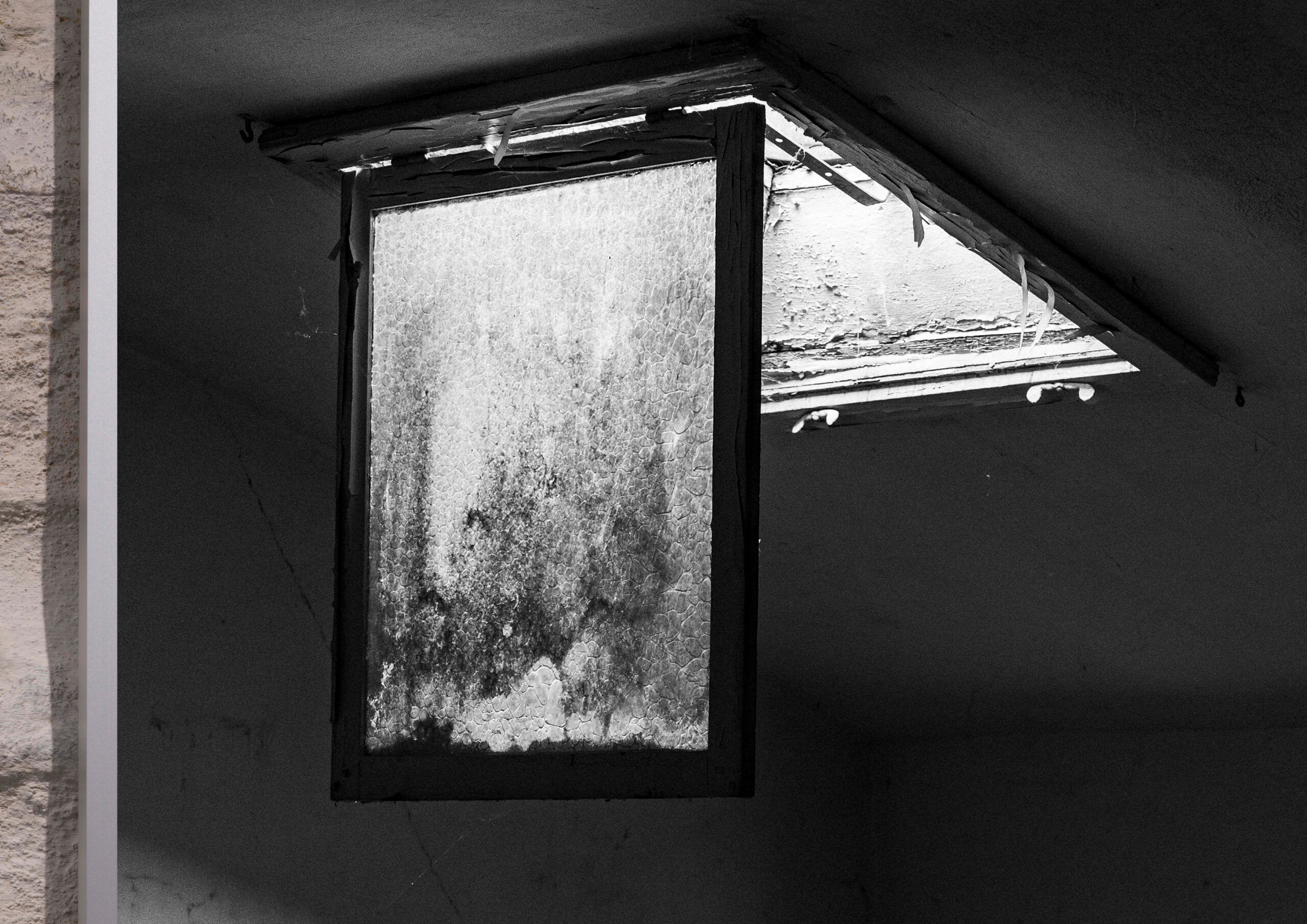
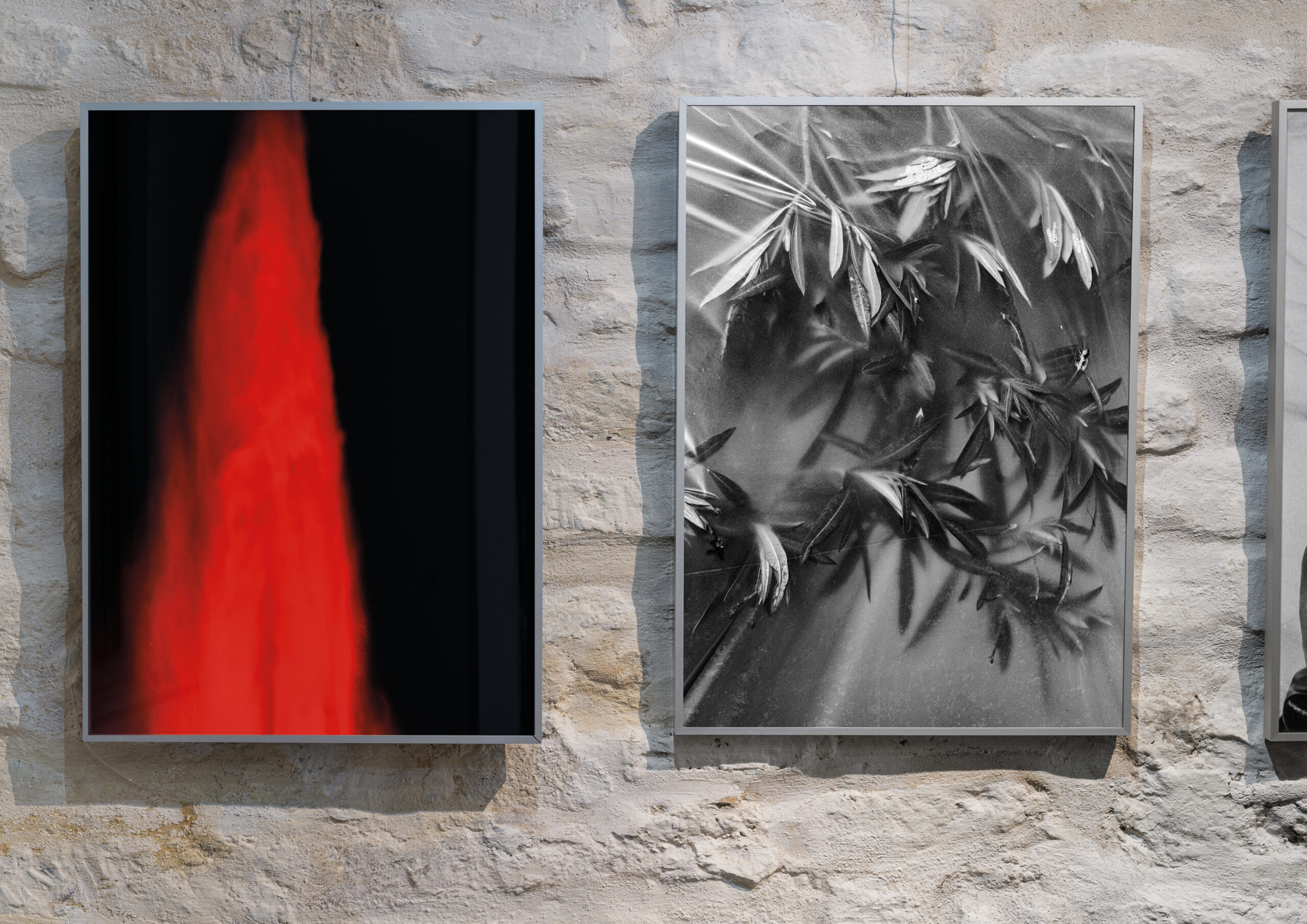
Other works in the series expand on this theme, exploring more vague notions of loss, injury and withholding. Hasselbach’s images coalesce into an atmosphere in which memory, destruction and uncertainty are interwoven: bodies, surfaces and spaces appear fragmentary. Something eludes the viewer’s gaze, remaining hidden or unsettling in its indeterminacy.
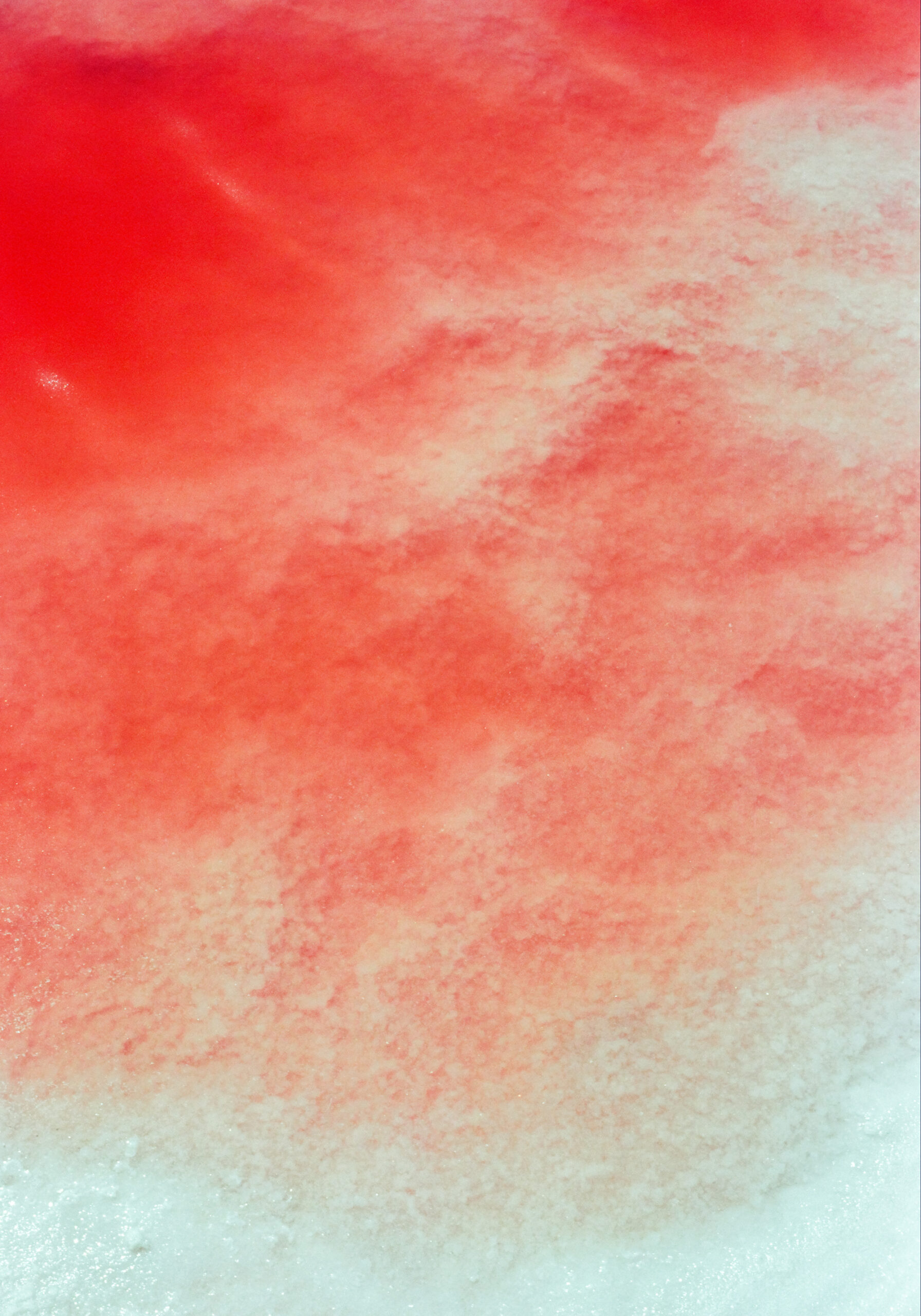
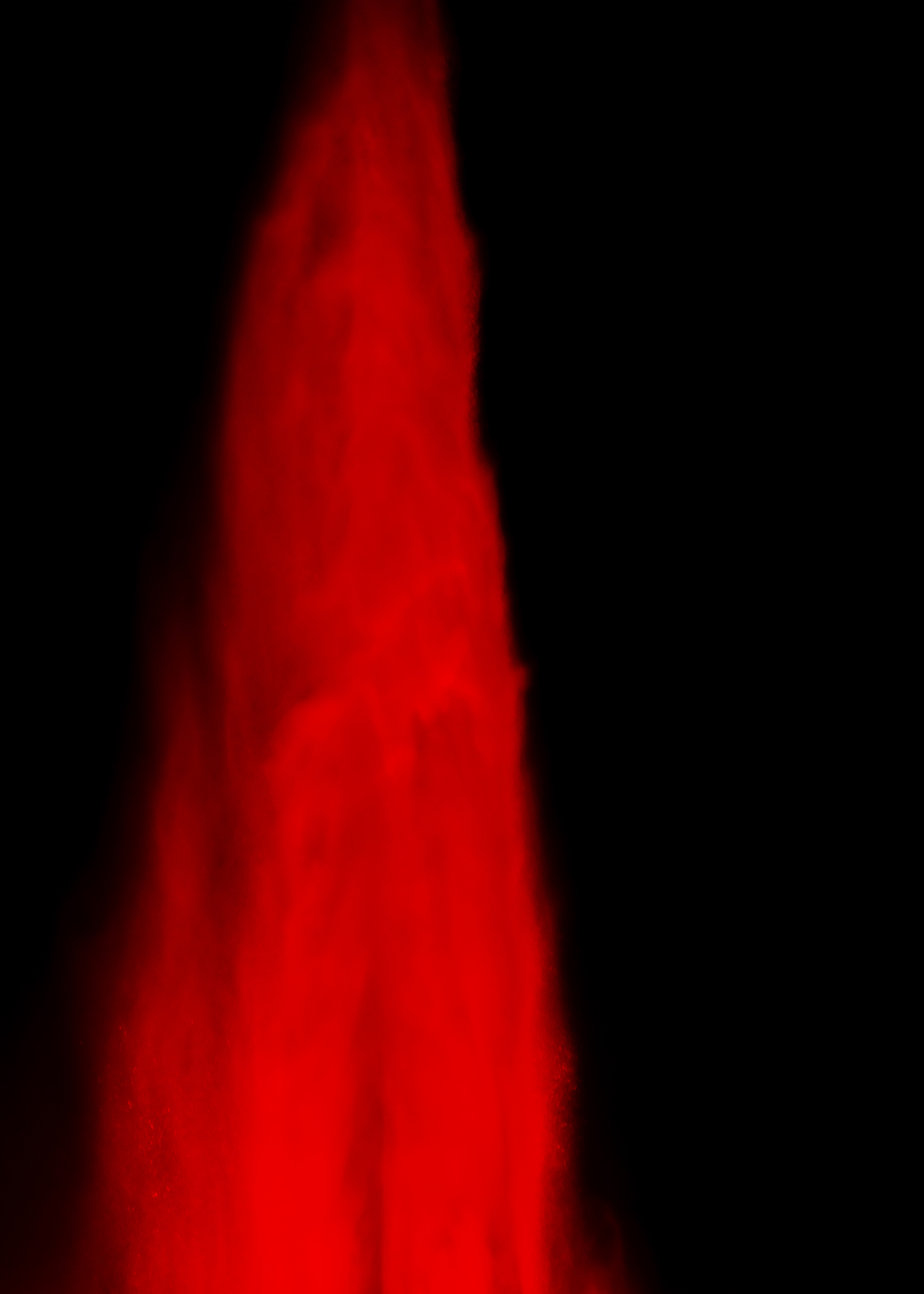
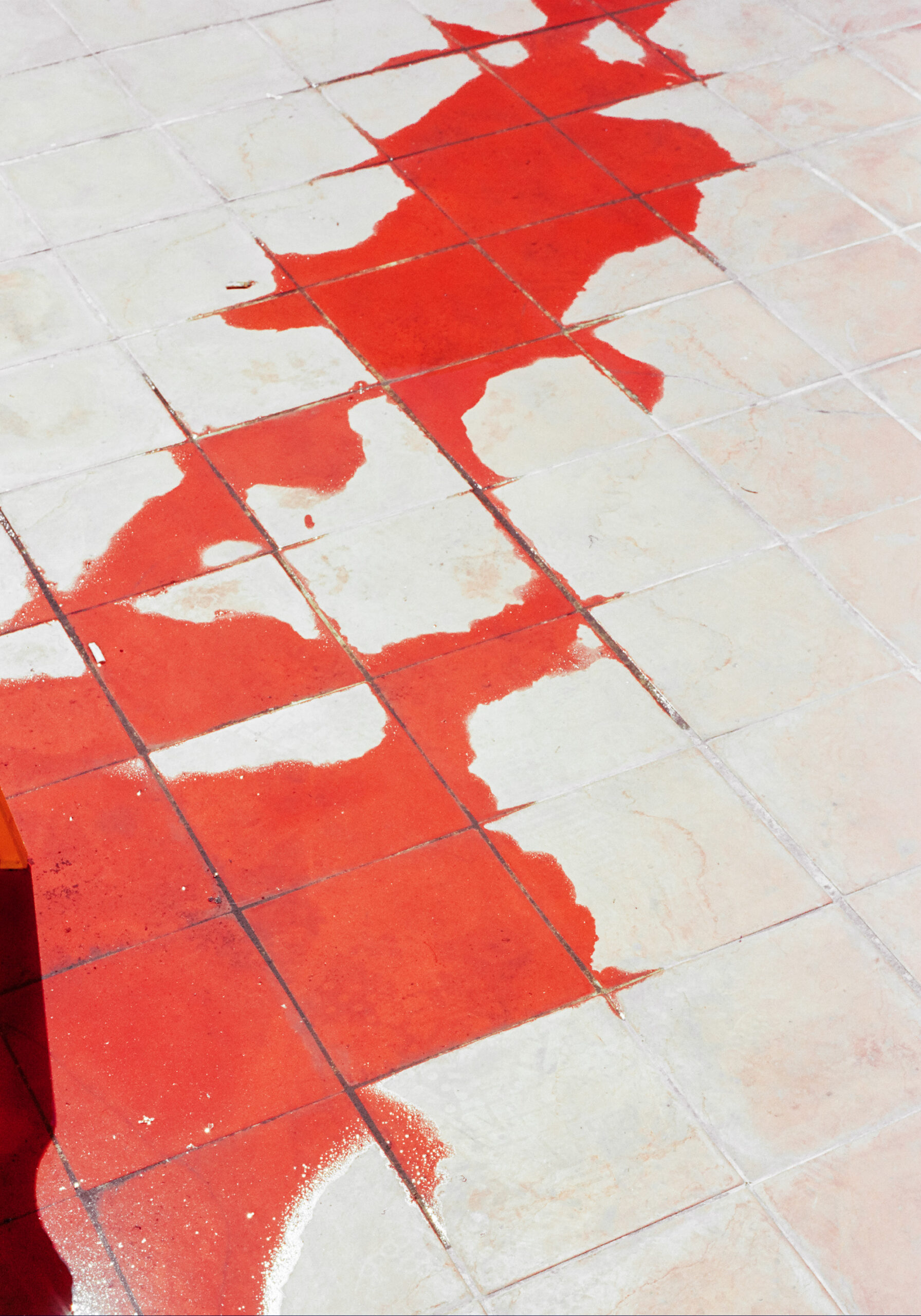
The recurring red emphasises the physical dimension of the works. It can be interpreted as a trace of injury or as an expression of energy. This becomes all the more evident in the series where Hasselbach draws on the medieval German mystic Hildegard of Bingen’s interpretation of the theory of the four elements. Fire, water, air and earth appear here less as concrete motifs than as states and transitions: water, for example, symbolises change and dissolution; air, emptiness and the intangible; fire, energy and tension. Within the force field of these elements, Albdruck links external manifestations with internal states and seeks to discover what remains when identity, certainty and form disappear.
Martin Conrads